
-

033 2461 4008
Call us now
-
(+91) 9830568891
(+91) 8910504191
033 2461 4008
Call us now
(+91) 9830568891
(+91) 8910504191
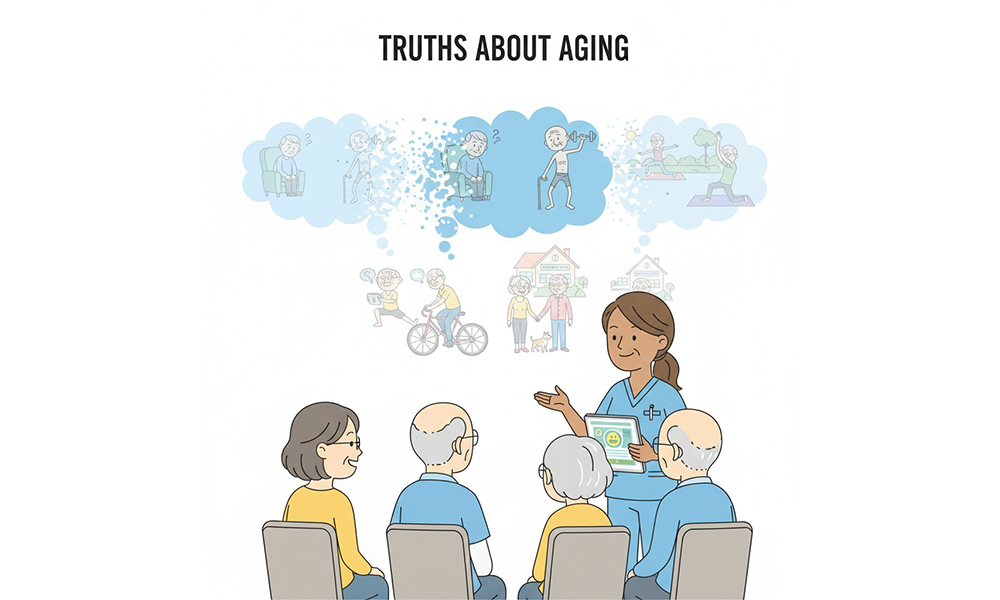
Aging is a natural part of life, yet it often comes with many misconceptions. From how seniors live their daily lives to the kind of care they need, myths about aging can influence the decisions families, caregivers, and seniors make. These misunderstandings sometimes create unnecessary worry, restrictions, or stress. Knowing the truth behind these myths helps seniors enjoy healthier, more active lives while empowering families and Professional caregivers to provide thoughtful support.
Myth 1: Aging Means Losing Independence
Many people believe that growing older automatically leads to frailty and dependence on others. While some seniors may face physical challenges, most can maintain independence with the right health care, regular exercise, and supportive routines. Simple daily activities like walking, stretching, or light strength exercises help seniors stay mobile and confident. Encouraging independence fosters a sense of purpose and improves overall well-being.
Myth 2: Memory Decline Is Unavoidable
It is easy to assume that aging always brings significant memory loss or dementia. Normal aging can involve minor forgetfulness, but serious cognitive decline is not inevitable. Activities like reading, puzzles, social interaction, and learning new skills keep the brain active and healthy. Early recognition of signs of memory issues allows for timely medical attention, helping seniors stay sharp and engaged.
Myth 3: Diet Matters Less with Age
Some people think nutrition becomes less important as we grow older, but a healthy diet is essential at every stage of life. Proper nutrition supports immunity, bone strength, energy, and heart health. Seniors benefit from balanced meals that include fruits, vegetables, whole grains, and lean proteins, along with sufficient hydration. Nutrients such as calcium, vitamin D, and fiber are especially important to maintain overall health.
Myth 4: Exercise Is Risky for Older Adults
Exercise is often seen as dangerous for seniors, but staying active is crucial. Low-impact activities like walking, yoga, swimming, or gentle strength training improve flexibility, strength, balance, and cardiovascular health. Physical activity also boosts mood and reduces stress. With proper guidance, seniors can safely enjoy regular exercise and maintain their independence longer.
Myth 5: Seniors Are Always Lonely
While some senior loved ones may experience social isolation, many remain socially active and engaged. Family connections, friends, hobby groups, and community activities create meaningful interactions. Encouraging participation in social activities helps reduce loneliness, improves emotional health, and supports a sense of belonging. Technology, like video calls or social media, can also help seniors stay connected with loved ones. Companionship service plays a vital role in keeping seniors emotionally connected, offering warmth, care, and friendly conversation that bring joy and comfort to their everyday lives.
Myth 6: Senior Care Means Constant Medical Supervision
Not all senior care requires full-time nursing. Many seniors thrive with supportive care at home, including assistance with daily activities and occasional medical check-ins. The best elder care service in Kolkata provides personalized support based on individual needs, allowing seniors to live comfortably while receiving the help they require.
Myth 7: Hobbies and Interests Fade with Age
Some think hobbies and personal interests lose importance as people grow older. Staying engaged in creative or recreational activities benefits both the mind and spirit. Painting, gardening, music, reading, or volunteering keeps seniors active, boosts self-esteem, and fosters joy. Age does not limit the ability to explore passions or enjoy life.
Why Understanding These Myths Matters?
Believing in myths about aging can lead to unnecessary restrictions, poor choices, and reduced confidence. Understanding the realities of aging encourages a more positive approach to senior care. Families can support loved ones in staying independent, emotionally healthy, and physically active. Caregivers can focus on tailored solutions rather than assumptions, improving the overall quality of life for seniors.
Aging is a journey filled with opportunities for learning, growth, and meaningful experiences. Debunking myths about senior life empowers seniors and their families to make informed decisions and embrace each stage with confidence. Healthy habits, social connections, mental stimulation, and supportive care allow seniors to live fulfilling, active lives. Knowing the truth about aging helps create an environment where senior loved ones feel valued, respected, and capable of living happily and with confidence every day.