
-

033 2461 4008
Call us now
-
(+91) 9830568891
(+91) 8910504191
033 2461 4008
Call us now
(+91) 9830568891
(+91) 8910504191
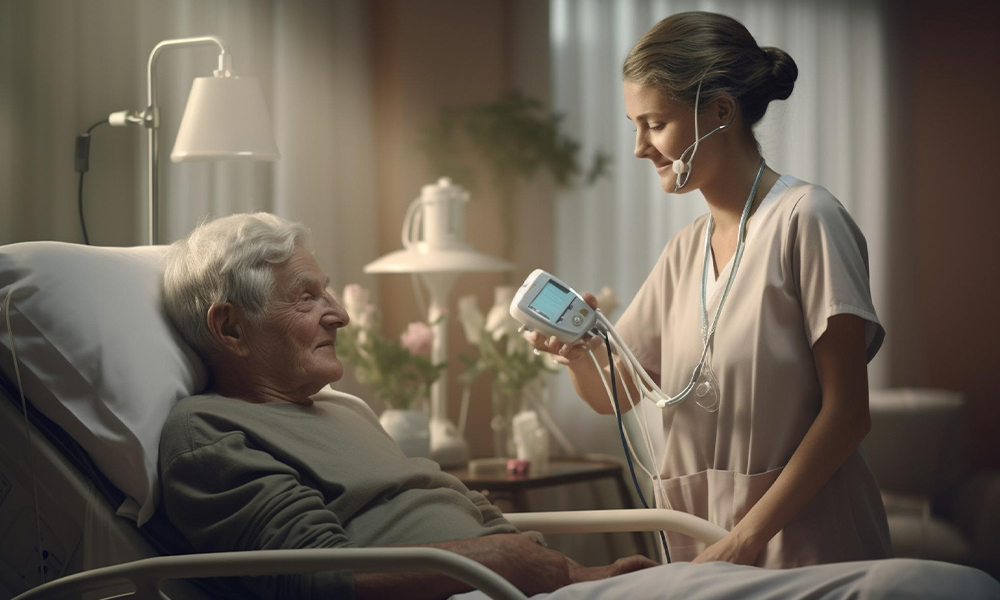
Aging often brings health conditions that need continuous attention and careful monitoring. Families look for ways to ensure safety without disturbing the comfort of their loved ones. Critical care at home has become a practical option where medical support reaches the patient’s home instead of shifting the patient to a hospital for long periods.
What is Critical Care at Home
Critical care at home refers to professional medical and nursing support provided in a patient’s residence. It includes regular monitoring, assistance with daily needs, medication management, and coordination with doctors when required. The focus remains on maintaining stable health conditions while staying in a familiar environment.
Why families prefer home-based care
Home care is often chosen because it combines medical attention with emotional comfort. Seniors remain close to family members, daily routines stay familiar, and the stress of hospital environments is reduced. This setup also allows family members to stay involved in care decisions and observe the treatment process closely.
Medical support at home
Trained nurses and caregivers handle essential responsibilities such as checking vital signs, giving prescribed medications on time, assisting with mobility, and monitoring changes in health. Doctors may provide guidance through visits or online consultations depending on the condition. Assistive Medical devices like oxygen support or monitoring devices can also be arranged at home when needed.
Emotional comfort and recovery
Being in a familiar space brings emotional stability. Seniors feel more at ease when surrounded by personal belongings and known surroundings. Regular interaction with family members adds comfort and reduces feelings of isolation, which can positively support recovery and daily well-being.
Safety and infection control
Home-based care reduces exposure to hospital-acquired infections. Since care is focused on one individual, the risk of cross-contamination is lower compared to shared hospital spaces. This becomes especially important for seniors with weaker immunity or long-term conditions. The use of assistive medical devices also supports continuous monitoring while reducing the need for frequent hospital visits.
Flexibility of care plans
Care at home can be adjusted based on medical needs. Some individuals may require full-time nursing support, while others may need part-time assistance. This flexibility allows families to manage care in a way that suits both health requirements and daily life.
For many families, critical care at home has become a dependable way to ensure both medical support and personal comfort for seniors. Seniors receive professional attention while staying in a familiar environment, and families remain closely involved in the care journey. The best elder care service in Kolkata delivers expert medical support at home, making it a comforting option for long-term senior care.