
-

033 2461 4008
Call us now
-
(+91) 9830568891
(+91) 8910504191
033 2461 4008
Call us now
(+91) 9830568891
(+91) 8910504191
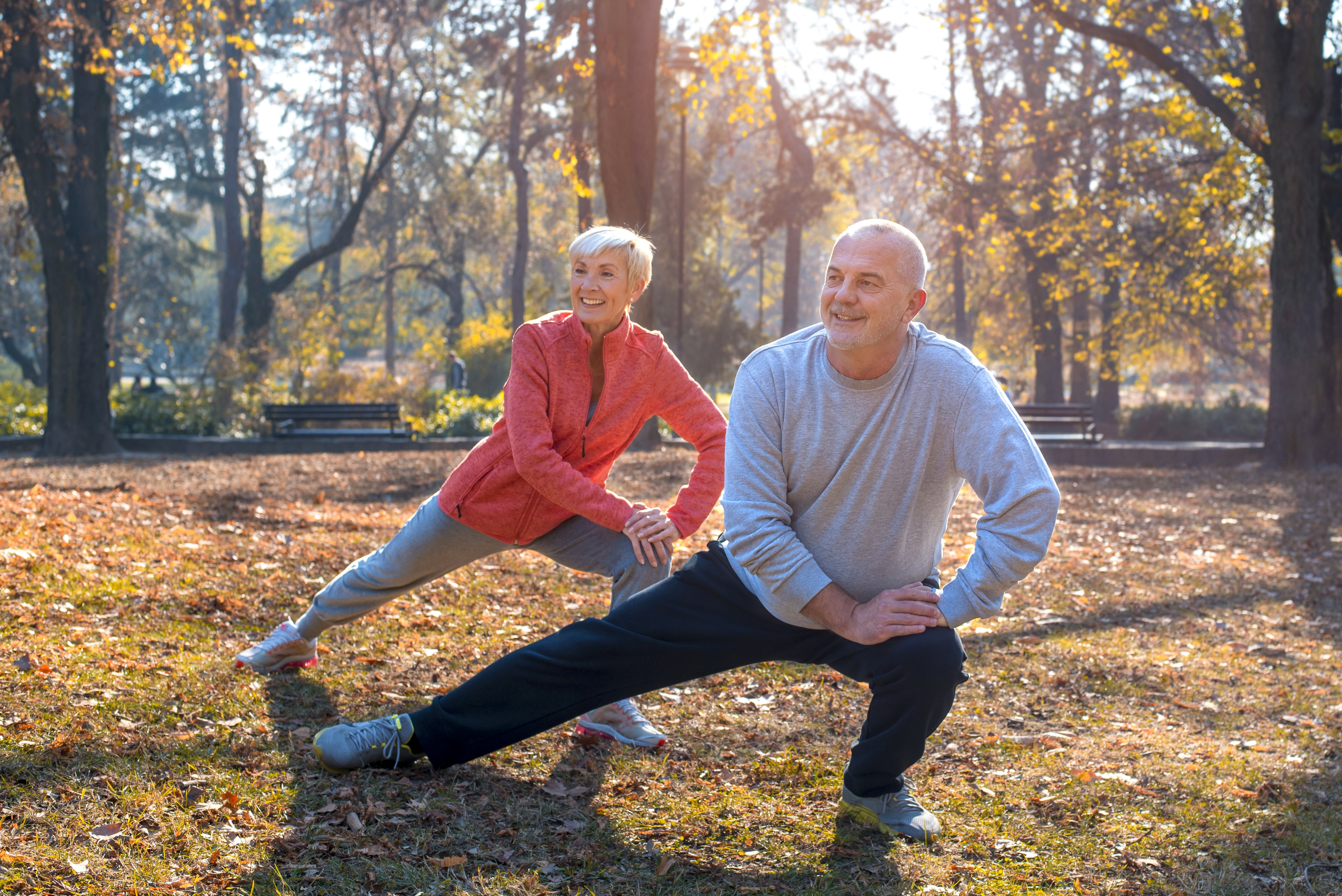
As we age, our joints may start to show signs of wear and tear. Many seniors experience joint pain or stiffness, often due to conditions like osteoarthritis, rheumatoid arthritis, or simply the natural aging process. But the good news is that there’s a lot we can do to help keep our joints healthy and pain-free. Regular exercise and a joint-friendly diet play an essential role in improving mobility, managing pain, and enhancing overall quality of life for seniors.
So, let’s explore how exercise and diet can work together to support joint health in senior loved ones.
Why Joint Health Matters
Our joints are the crucial connectors between bones, and they allow us to move freely. Over time, however, the cartilage in our joints can deteriorate, leading to pain, stiffness, and reduced flexibility. Whether it’s the knees, hips, or hands, joint discomfort can make everyday tasks, such as walking, getting up from a chair, or even cooking, challenging.
Fortunately, taking proactive steps to care for our joints can significantly reduce the impact of these conditions and prevent further damage. This includes staying physically active and nourishing our bodies with the right foods, both of which are essential for maintaining healthy, pain-free joints.
Exercise: Keeping the Joints Moving
Exercise might sound like the last thing you'd want to do when dealing with joint pain, but it's actually one of the best ways to keep your joints healthy. Regular, low-impact exercises can strengthen the muscles around the joints, improve flexibility, and reduce pain and stiffness. The key is to find the right types of exercises that don’t strain the joints but instead support them.
Low-Impact Aerobic Exercises
Aerobic exercises, such as walking, cycling, or swimming, are great for joint health. These activities get your heart pumping and promote circulation without putting excess pressure on your joints. Swimming, in particular, is excellent for seniors with joint issues because the buoyancy of the water supports your body, reducing stress on your joints while still providing a good workout.
How it helps: Aerobic exercises help maintain a healthy weight, which is essential for reducing strain on weight-bearing joints like the knees and hips. They also enhance overall joint mobility by promoting the flow of synovial fluid, which lubricates the joints.
Strength Training
Strengthening the muscles around your joints can help support them and take some of the pressure off. Simple strength-training exercises, like leg lifts, bicep curls, or using resistance bands, can improve muscle tone and stability. These exercises can be done with light weights or even bodyweight, making them accessible for seniors of all fitness levels.
How it helps: Strengthening muscles that surround the joints can protect them from stress and improve joint function. Strong muscles also help maintain balance and reduce the risk of falls.
Stretching and Flexibility Exercises
Flexibility exercises, such as yoga or tai chi, are perfect for increasing the range of motion in stiff joints. These exercises help maintain joint flexibility, improve posture, and prevent joint stiffness. Yoga poses, like the cat-cow stretch or child’s pose, are gentle on the joints but help keep them moving freely.
How it helps: Stretching helps to keep your joints limber and can alleviate stiffness, making it easier to move throughout the day. Plus, stretching can also help relieve stress and tension, which can be beneficial for managing chronic pain.
Balance Exercises
Balance exercises, such as standing on one leg or doing heel-to-toe walking, help improve stability and reduce the risk of falls. Falls can be particularly concerning for seniors with joint issues, as they can lead to fractures and further complications. Improving balance also helps seniors feel more confident when moving around.
How it helps: Balance exercises strengthen the muscles responsible for stability and coordination. They improve posture and allow seniors to move with confidence while reducing the risk of falls.
Physiotherapy for Joint Health
Physiotherapy is an effective way to improve joint health, reduce pain, and enhance mobility, especially for seniors. Regular physiotherapy helps strengthen muscles around the joints, increase flexibility, and alleviate discomfort. The best elder care services in Kolkata offer physiotherapy services in the comfort of the home, allowing seniors to receive professional care without the stress of travelling. This personalized service not only ensures comfort and convenience but also provides a safer environment for seniors to receive treatment, helping them maintain joint health and overall well-being.
Diet: Fuelling Joint Health
What we eat plays a huge role in joint health. The right foods can reduce inflammation, protect cartilage, and promote overall joint function. Here’s a breakdown of some of the most important nutrients for joint health and the foods that contain them.
Omega-3 Fatty Acids
Omega-3 fatty acids are known for their anti-inflammatory properties. These healthy fats can help reduce joint inflammation, which is a common cause of pain and stiffness in conditions like arthritis. Incorporating omega-3-rich foods into your diet can help alleviate these symptoms.
Foods to include: Fatty fish like salmon, mackerel, and sardines are rich in omega-3s. If you’re not a fan of fish, you can also get omega-3s from flaxseeds, chia seeds, and walnuts.
Vitamin D and Calcium
Vitamin D and calcium are two essential nutrients for bone health. Vitamin D helps your body absorb calcium, which is crucial for maintaining strong, healthy bones. As we age, our bones can become more fragile, and having enough vitamin D and calcium in your diet can prevent bone loss and reduce the risk of fractures.
Foods to include: Dairy products like milk, cheese, and yogurt are great sources of calcium. For vitamin D, look for fortified foods such as cereal, orange juice, or plant-based milk (soy, almond). Sun exposure also helps the body produce vitamin D, so try to spend some time outdoors each day.
Antioxidants (Vitamin C and E)
Antioxidants help protect the body’s cells from damage caused by free radicals. In terms of joint health, antioxidants can help reduce inflammation and protect the cartilage in your joints from further damage. Vitamin C, in particular, is important for the production of collagen, which is a major component of cartilage.
Foods to include: Citrus fruits like oranges and grapefruits, berries, bell peppers, and spinach are rich in vitamin C. For vitamin E, look for nuts, seeds, and green leafy vegetables.
Collagen and Gelatin
Collagen is the protein that makes up the structure of cartilage in your joints. Consuming collagen-rich foods or supplements may help improve joint health by promoting the regeneration of cartilage. Bone broth is a natural source of collagen and can be a comforting addition to your diet.
Foods to include: Bone broth, chicken skin, and fish with skin are natural sources of collagen. Collagen supplements are also available in powder or pill form, which can be easily added to smoothies or meals.
Turmeric and Ginger
Both turmeric and ginger have powerful anti-inflammatory properties. Turmeric contains curcumin, a compound known to reduce inflammation, while ginger helps alleviate pain and stiffness in the joints.
Foods to include: Add turmeric and ginger to your meals by using them in curries, smoothies, teas, or as a seasoning for meat or vegetables.
By combining joint-friendly exercise and a nourishing diet, senior loved ones can maintain joint health and overall well-being. It’s important to listen to your body and adjust exercises if needed, opting for gentler alternatives if pain occurs. A balanced diet rich in joint-supporting nutrients is essential, but seniors should consult their doctor before starting any exercise or diet plan. Elder care service providers in Kolkata offer doctor assistance services at home, ensuring seniors receive personalized care in the comfort and relaxation of their own space, empowering them to stay active and enjoy the activities they love.