
-

033 2461 4008
Call us now
-
(+91) 9830568891
(+91) 8910504191
033 2461 4008
Call us now
(+91) 9830568891
(+91) 8910504191
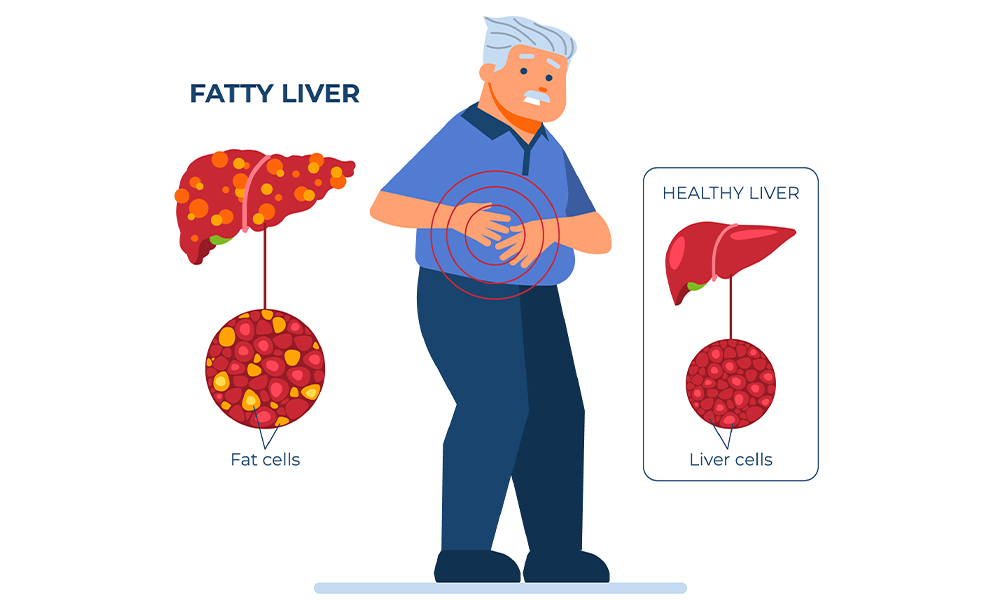
Fatty liver disease is becoming increasingly common among seniors. The liver plays a vital role in processing nutrients, filtering toxins, and supporting overall health. When excess fat accumulates in the liver, it can affect its function and lead to serious complications if left unchecked. Understanding the causes, recognizing the symptoms, and adopting practical lifestyle changes can help seniors maintain a healthy liver and prevent further damage.
Causes of Fatty Liver Disease in Seniors
Several factors contribute to the development of fatty liver disease in seniors. One of the main causes is an unhealthy diet that includes excessive consumption of oily, sugary, and processed foods. These habits can lead to weight gain, which increases fat deposits in the liver. Sedentary lifestyles and lack of regular physical activity also contribute to fat accumulation.
Other factors include medical conditions such as diabetes, high cholesterol, and high blood pressure. Certain medications commonly used by seniors, such as steroids or some types of pain relief drugs, can affect liver health. Genetics and family history may also play a role, making some individuals more prone to developing the condition. In many cases, multiple factors combine, increasing the risk over time.
Symptoms to Watch For
Fatty liver disease often develops silently, without causing noticeable discomfort in the early stages. This makes it essential for senior loved ones to be aware of subtle signs that may indicate a problem. Common symptoms include fatigue, a feeling of heaviness in the upper right abdomen, and mild digestive discomfort. Some seniors may notice unexplained weight loss, weakness, or a general lack of energy.
As the condition progresses, more noticeable signs can appear, including jaundice, swelling in the abdomen or legs, and an increased tendency to bruise easily. Regular medical check-ups can help detect fatty liver disease before these symptoms become severe. Blood tests, imaging studies, and liver function tests are important tools that doctors use to monitor liver health in seniors, and having pathology services at home ensures these tests are done comfortably and on time, without the stress of travelling.
Lifestyle Tips to Support Liver Health
Dietary changes are one of the most effective ways to manage fatty liver disease. Encouraging seniors to eat a balanced diet rich in fruits, vegetables, whole grains, and lean proteins can reduce fat accumulation and support overall health. Limiting sugar, refined carbohydrates, and fried foods helps prevent additional stress on the liver. Hydration is also important, as water supports liver function and helps flush out toxins.
Avoiding alcohol is one of the most important steps for protecting the liver. Even small amounts can worsen fatty liver disease and interfere with recovery. Limiting over-the-counter medications that may harm the liver, and consulting a doctor before starting any new medicine, ensures safety. Stress management techniques, such as light meditation, listening to music, or engaging in hobbies, can support overall health and indirectly benefit liver function.
Physical activity plays a key role in maintaining a healthy liver. Gentle exercises like walking, stretching, yoga, or low-impact workouts strengthen muscles, improve circulation, and help control weight. For Senior loved ones , consistency matters more than intensity, and even small amounts of daily movement can make a difference.
Managing existing medical conditions such as diabetes, high blood pressure, or high cholesterol is essential. Taking medications as prescribed, monitoring blood sugar and blood pressure levels, and attending regular doctor appointments help reduce the risk of further liver complications.
Seniors can also benefit from support services like the Best elder care service in Kolkata, which provides professional caregiving services. Caregivers can help monitor diet, encourage physical activity, assist with medication management, and ensure timely medical visits. Regular monitoring and proactive care are essential. Seniors who notice any new symptoms or changes in their health should consult a doctor promptly. Early detection and timely interventions can prevent progression to more serious conditions such as liver inflammation, scarring, or cirrhosis.
Here is the revised version without mentioning doctor assistance or caregivers, with a smooth and human tone:
Fatty liver disease in senior loved ones requires attention and consistent care. Understanding the causes, recognizing subtle symptoms, and adopting a balanced lifestyle can help support better liver health. Diet, gentle exercise, and managing existing medical conditions all contribute to keeping the liver functioning well. With the right approach, senior loved ones can protect their liver, maintain steady energy, and continue enjoying daily life safely and confidently.