
-

033 2461 4008
Call us now
-
(+91) 9830568891
(+91) 8910504191
033 2461 4008
Call us now
(+91) 9830568891
(+91) 8910504191
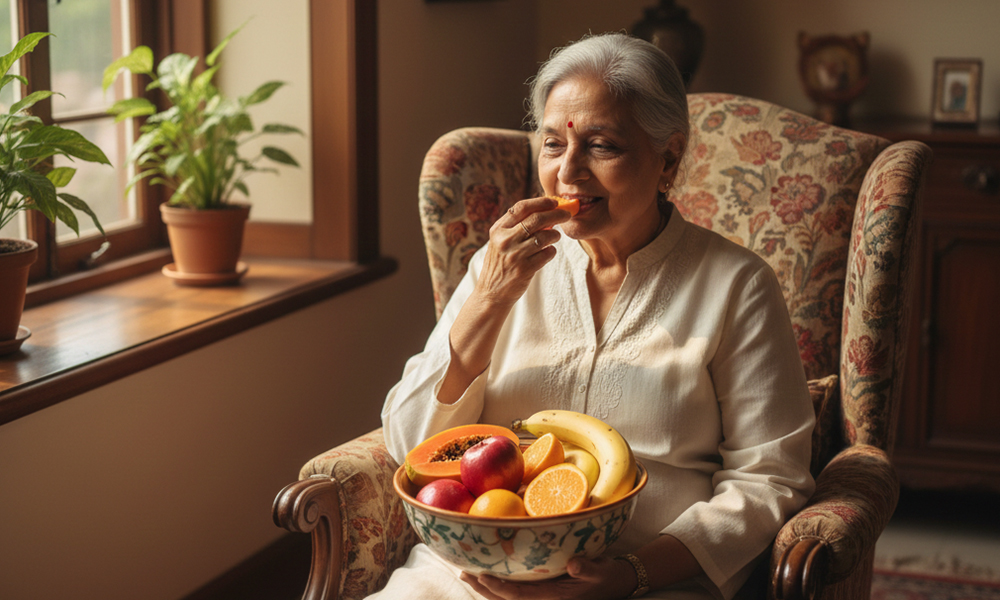
Aging gracefully begins on the plate. In India, where food has always been medicine, traditional diets offer powerful tools for seniors to stay strong, active, and vibrant. Incorporating anti-aging foods into daily meals supports energy, heart health, bones, muscles, and the immune system while helping maintain mental sharpness.
Berries and Local Fruits – Sweet and Nourishing
Berries like blueberries may be less common in India , but fruits such as amla, guava, papaya, and pomegranate are packed with antioxidants. Amla, or Indian gooseberry, is rich in vitamin C, supporting immunity and skin health. Guava and papaya contain fiber and antioxidants that help digestion and protect cells. Adding these fruits to breakfast, smoothies, or as mid-morning snacks helps seniors stay nourished naturally.
Leafy Greens – The Heart of Indian Meals
Spinach (palak), fenugreek leaves (methi), amaranth (chaulai), and coriander leaves are staples in Indian kitchens. These greens are loaded with vitamins, minerals, and fiber. Folate and vitamin K keep bones strong, while antioxidants support heart and brain health. Seniors can enjoy them in dals, parathas, stir-fries, or fresh salads to boost daily nutrition.
Nuts and Seeds – Snacks with a Purpose
Almonds, cashews, walnuts, pumpkin seeds (kaddu ke beej), and flaxseeds (alsi) are widely used in India. These provide healthy fats, protein, and minerals. Walnuts and flaxseeds, rich in omega-3 fatty acids, protect the heart and support memory. A small handful of nuts as an evening snack or a sprinkle of seeds in smoothies, curd, or laddoos keeps seniors energetic and nourished.
Legumes – Power of Plant Protein
Dals, chickpeas (chana), kidney beans (rajma), and black gram (urad) are central to Indian diets. Rich in protein, fiber, and essential minerals, legumes help maintain muscles, regulate blood sugar, and support digestion. A warm bowl of dal, chana masala, or rajma chawal provides both taste and nutrition while strengthening the body naturally.
Yogurt and Curd – Traditional Wellness
Curd and yogurt have been a part of Indian diets for centuries. They are excellent sources of probiotics, calcium, and protein, supporting gut health, bones, and immunity. Seniors can enjoy curd with fruit, as raita with meals, or in a lassi for a refreshing drink. Regular inclusion aids digestion, keeps energy steady, and supports overall wellness.
Spices – Ancient Anti-Aging Tools
Indian cooking uses spices that fight inflammation and protect the body. Turmeric (haldi) contains curcumin, which supports joints and heart health. Cinnamon, cardamom, cumin, and ginger help regulate blood sugar, improve digestion, and strengthen immunity. Adding these spices to everyday meals or teas creates flavor while offering protective benefits.
Whole Grains – Steady Energy from Tradition
Brown rice, millets like ragi, jowar, bajra, and whole wheat are excellent sources of fiber, energy, and nutrients. Millets are particularly beneficial for seniors, supporting heart health, controlling blood sugar, and improving digestion. A millet khichdi for lunch or ragi dosa for breakfast provides nourishment while keeping meals light and satisfying.
Fatty Fish and Plant-Based Omega-3s
While salmon and mackerel are less common in most Indian homes, fatty fish like Indian mackerel and sardines (pedvey) are excellent sources of omega-3s for coastal regions. For inland seniors, chia seeds, flaxseeds, and walnuts supply essential fatty acids that support brain function and heart health. Simple preparations like grilled fish with spices or flaxseed porridge can be incorporated easily.
Tomatoes, Carrots, and Colorful Vegetables
Indian kitchens are rich in seasonal vegetables. Tomatoes, carrots, bell peppers, and drumsticks provide antioxidants, vitamins, and minerals. Cooking them with minimal oil or in curries preserves nutrients while adding flavor. Lycopene in tomatoes protects the heart and skin, while carrots support eye health. Seniors benefit from a plate full of colorful vegetables every day.
Green Tea and Herbal Infusions
Alongside traditional chai, green tea and herbal teas like tulsi (holy basil) tea support antioxidants in the body. Tulsi tea strengthens immunity and promotes calmness, while green tea improves heart health and metabolism. A cup in the morning or evening keeps seniors hydrated and supports vitality.
Dark Chocolate and Traditional Sweets – Mindful Indulgence
A little indulgence is part of life. Dark chocolate, rich in cocoa, supports heart and brain health. In Indian traditions, jaggery and nuts in laddoos or chikki provide energy, minerals, and antioxidants. Enjoyed in moderation, these treats add pleasure without compromising wellness.
Practical Tips for Seniors
Consuming an antiaging diet in India can be simple. A typical plate can include a serving of dal or legumes, a millet or whole grain, seasonal vegetables, a side of curd, and fruit for dessert. Snacks can be nuts or fruit, and drinks can include herbal teas or lassi. Using spices generously adds flavor and health benefits.
For seniors, maintaining this kind of healthy eating supports bones, heart, brain, and immunity, while keeping energy levels steady. When combined with reliable doctor assistance services in the comfort of home from the best elder care service in Kolkata, senior loved ones can stay active, strong, and healthy every day. Healthy eating in the Indian way becomes a joyful habit, naturally nourishing the body and keeping life vibrant at every stage.