
-

033 2461 4008
Call us now
-
(+91) 9830568891
(+91) 8910504191
033 2461 4008
Call us now
(+91) 9830568891
(+91) 8910504191
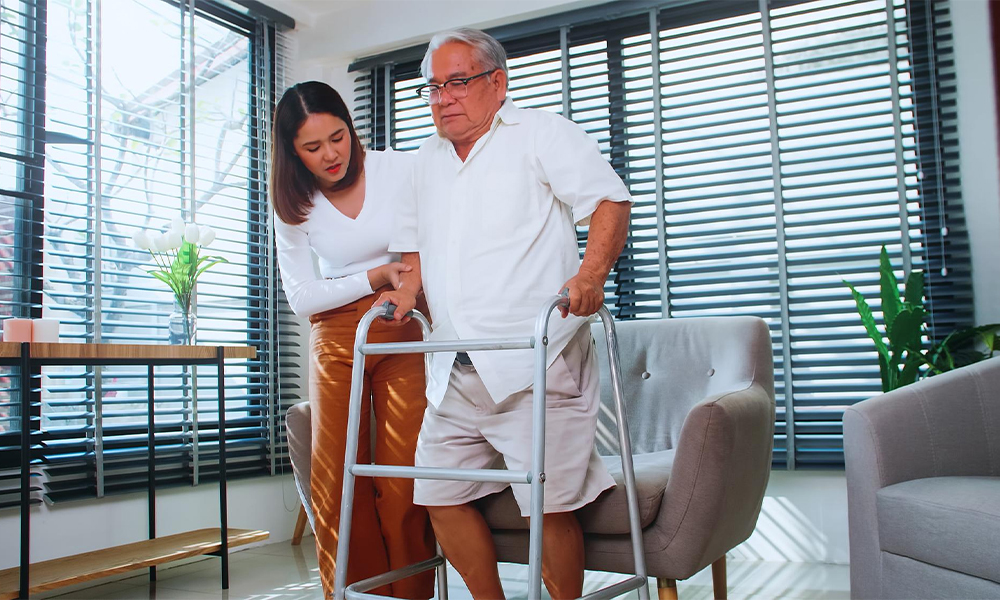
As we grow older, maintaining mobility becomes an essential part of staying independent and active. Walking aids can be the key to helping seniors move confidently and safely, reducing the risk of falls and supporting day-to-day activities. With so many options available, from canes and walkers to crutches, finding the right walking aid can feel overwhelming. Choosing the right one requires understanding the individual’s needs, comfort, and lifestyle.
Understanding the Purpose of Walking Aids
Walking aids serve different purposes depending on a person’s strength, balance, and medical conditions. Some seniors may need minimal support, while others require devices that provide stability over longer distances. Selecting the correct aid can improve posture, reduce strain on joints, and make walking safer.
Before picking a device, consider how often the senior will use it, the environment where it will be used, and whether additional support is needed for steps, slopes, or uneven surfaces. Consulting a healthcare professional or physiotherapist can provide valuable guidance and ensure that the aid matches the person’s physical condition.
Types of Walking Aids
Canes
Canes are one of the simplest and most common walking aids. They provide extra support on one side of the body and are ideal for seniors who have minor balance issues or weakness in one leg.
When choosing a cane, look for the right height. A cane should allow the arm to bend slightly at the elbow while standing upright. Handles come in different styles T-shaped, curved, or ergonomic grips. Comfort and grip stability are important, especially if the senior has arthritis or hand weakness. Some canes also come with rubber tips or quad bases, which offer extra balance.
Walkers
Walkers offer more support than canes and are suitable for seniors with limited strength or balance issues on both sides of the body. Standard walkers require lifting to move forward, while rolling walkers have wheels for smoother movement.
When selecting a walker, consider the weight and frame material. Lightweight walkers are easier to handle , while heavier ones provide more stability. Some walkers come with seats, baskets, or storage compartments, which can be helpful for running errands or resting during long walks. Adjustable height is essential to ensure proper posture and avoid back strain.
Crutches
Crutches are typically recommended for temporary use, such as after surgery or injury. They provide support while keeping weight off a specific leg. For seniors using crutches, comfort and adjustability are key. Crutches should fit securely under the arms without causing pain or strain and allow hands to hold grips comfortably.
Comfort and Safety
Comfort is a major factor when choosing any walking aid. Handles and grips should fit the hand comfortably and reduce pressure on joints. Rubber tips and anti-slip surfaces can prevent accidents on slippery floors.
Adjusting the height correctly is crucial. A cane or walker that is too short or too tall can cause poor posture, discomfort, and increase the risk of falls. Most walking aids come with adjustable settings, and a professional can help fine-tune them for optimal support.
Lifestyle Considerations
Consider where and how the walking aid will be used. Seniors who live in apartments with narrow hallways may prefer compact or folding walkers. For those who enjoy outdoor walks, larger wheels and durable frames are better suited for uneven terrain. Some aids are lightweight and portable, ideal for travel, while others focus on stability for home use.
Additionally, think about the senior’s confidence level. A walking aid that feels awkward or difficult may discourage its use. Testing different models can help find one that feels natural and easy to handle.
Professional Guidance
A healthcare professional or physiotherapist can recommend the most suitable walking aid based on mobility, strength, and balance. In-home physiotherapy services allow seniors to learn proper use, walking techniques, and posture. This guidance helps the aid support movement, maintain independence, and reduce strain on the body.
Encouraging Consistent Use
Even the best walking aid is only effective if it is used consistently. Encourage seniors to practice using the device in safe, familiar environments before venturing outdoors. Positive reinforcement and patience can help build confidence and make the walking aid a natural part of daily life.
Choosing the right walking aid is essential for safety, comfort, and independence. The best elder care service in Kolkata provides assistant medical devices that you can rent or buy, helping seniors find the option that fits their needs. By understanding the individual’s requirements, testing different aids, and seeking professional guidance, these devices enhance mobility rather than limit it. With the right support, seniors can move confidently, maintain their daily routines, and enjoy greater freedom in everyday life.