
-

033 2461 4008
Call us now
-
(+91) 9830568891
(+91) 8910504191
033 2461 4008
Call us now
(+91) 9830568891
(+91) 8910504191
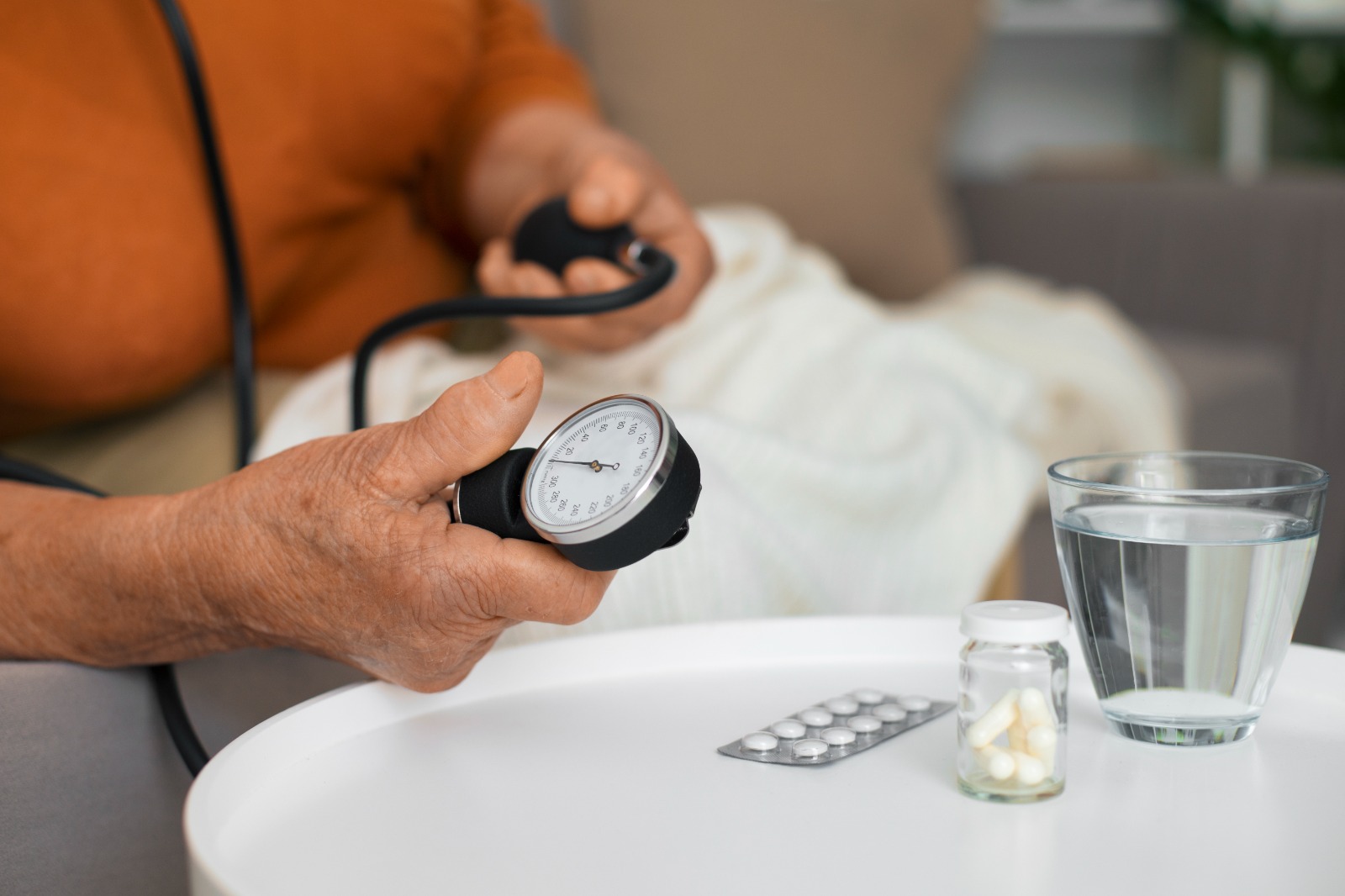
Blood pressure is often talked about in terms of high numbers, but low blood pressure (hypotension) can be just as concerning, especially for seniors. A little dip here and there might not seem like a big deal, but when blood pressure drops too low, it can lead to dizziness, fainting, or even falls. So, when should you worry, and when is it just a normal fluctuation? Let’s break it down in a simple way.
What Is Considered Low Blood Pressure?
Blood pressure is measured in two numbers: systolic (the top number) and diastolic (the bottom number). Generally, anything below 90/60 mmHg is considered low, but it’s not always a cause for concern. Some people naturally have lower readings without any issues. However, when blood pressure drops or causes symptoms, it’s time to pay attention.
Common Causes of Low Blood Pressure in Seniors
Some common causes of low blood pressure in seniors
Dehydration – Not drinking enough fluids can lower blood volume, leading to drops in blood pressure.
Medication Side Effects – Some drugs for high blood pressure, Parkinson’s, or heart conditions can cause hypotension.
Heart Conditions – Heart failure, valve problems, or a slow heart rate can impact blood pressure.
Neurological Disorders – Conditions like Parkinson’s or autonomic dysfunction can affect blood pressure regulation.
Nutritional Deficiencies – Lack of vitamin B12 or folate can cause low blood pressure by leading to anemia.
Postural Hypotension – A sudden drop in blood pressure when standing up, common in seniors due to slower circulation responses.
When Is Low Blood Pressure Normal?
For some senior loved ones, slightly low blood pressure is just part of how their body works. If there are no symptoms like dizziness, fatigue, or confusion, then a lower-than-average reading might not be a problem. Having a slightly lower blood pressure can sometimes be beneficial as it reduces the risk of heart disease and stroke.
Certain lifestyle factors can also cause harmless dips in blood pressure:
After eating, Postprandial hypotension, a drop in blood pressure after meals, is common in senior loved ones.
During rest or sleep, Blood pressure naturally lowers when you’re relaxed.
With regular physical activity, A well-conditioned heart can lead to lower blood pressure without negative effects.
If a senior has always had slightly low blood pressure and feels fine, there’s likely nothing to worry about. However, it’s important to stay mindful of any sudden changes.
When Should You Worry About Low Blood Pressure?
Not all cases of low blood pressure are harmless. If it happens suddenly or comes with symptoms, it could signal an underlying issue that needs attention.
Warning Signs of Problematic Low Blood Pressure
Dizziness or lightheadedness – Feeling like the room is spinning or needing to sit down quickly.
Fainting – Losing consciousness, even for a few seconds, is a major red flag.
Blurred vision – Difficulty focusing or seeing clearly.
Weakness and fatigue – Unusual tiredness without a clear reason.
Confusion or trouble concentrating – Feeling mentally foggy.
Cold, clammy skin or paleness – Signs that circulation might be compromised.
These symptoms can increase the risk of falls and injuries, which is especially dangerous for older adults. If any of these occur frequently, it’s time to consult a doctor.
Common Causes of Low Blood Pressure in Seniors
Some common causes include:
Dehydration– Not drinking enough fluids can lower blood volume, leading to drops in blood pressure.
Medication Side Effects– Some drugs for high blood pressure, Parkinson’s, or heart conditions can cause hypotension.
Heart Conditions– Heart failure, valve problems, or a slow heart rate can impact blood pressure.
Neurological Disorders– Conditions like Parkinson’s or autonomic dysfunction can affect blood pressure regulation.
Nutritional Deficiencies– Lack of vitamin B12 or folate can cause low blood pressure by leading to anemia.
Postural Hypotension– A sudden drop in blood pressure when standing up, common in seniors due to slower circulation responses.
How to Manage and Prevent Low Blood Pressure
If low blood pressure is causing symptoms or posing a risk, there are several ways to manage it:
Stay Hydrated
Water is essential for keeping blood pressure stable. Seniors should drink enough fluids, especially in hot weather or when feeling unwell. Adding electrolyte-rich drinks can help if dehydration is a concern.
Adjust Medications (With a Doctor’s Guidance)
If medications are causing blood pressure to drop too much, a doctor may adjust the dosage or prescribe alternatives. Never stop or change medication without medical advice.
Eat Smaller, Frequent Meals
Large meals can cause blood pressure to drop, especially in seniors. Eating smaller portions more frequently and avoiding heavy carbohydrates can help prevent post-meal dips.
Stand Up Slowly
To prevent dizziness from postural hypotension, seniors should take their time when moving from sitting or lying down to standing. Sitting on the edge of the bed for a moment before standing can help.
Increase Salt Intake (If Safe to Do So)
Unlike those with high blood pressure, some people with hypotension may benefit from a little extra salt. However, this should only be done under medical supervision to avoid heart or kidney issues.
Compression Stockings
These can help improve circulation and prevent blood from pooling in the legs, reducing the risk of sudden blood pressure drops.
When to See a Doctor
If low blood pressure is accompanied by frequent fainting, severe dizziness, or signs of shock (such as confusion, rapid breathing, or cold skin), seek medical attention immediately. Regular check-ups can help detect issues early and keep blood pressure in a safe range. The best elder care service in Kolkata ensures comprehensive Doctor Assistance at home, bringing expert medical care to the comfort of home for senior loved ones, ensuring their well-being and peace of mind.
Low blood pressure isn’t always a problem, but when it leads to symptoms or sudden drops, it needs attention. The key is to know what’s normal for you or your loved one and watch for warning signs. By staying hydrated, eating balanced meals, and working with a doctor to manage medications and health conditions, senior loved ones can maintain stable blood pressure and avoid unnecessary risks.