
-

033 2461 4008
Call us now
-
(+91) 9830568891
(+91) 8910504191
033 2461 4008
Call us now
(+91) 9830568891
(+91) 8910504191
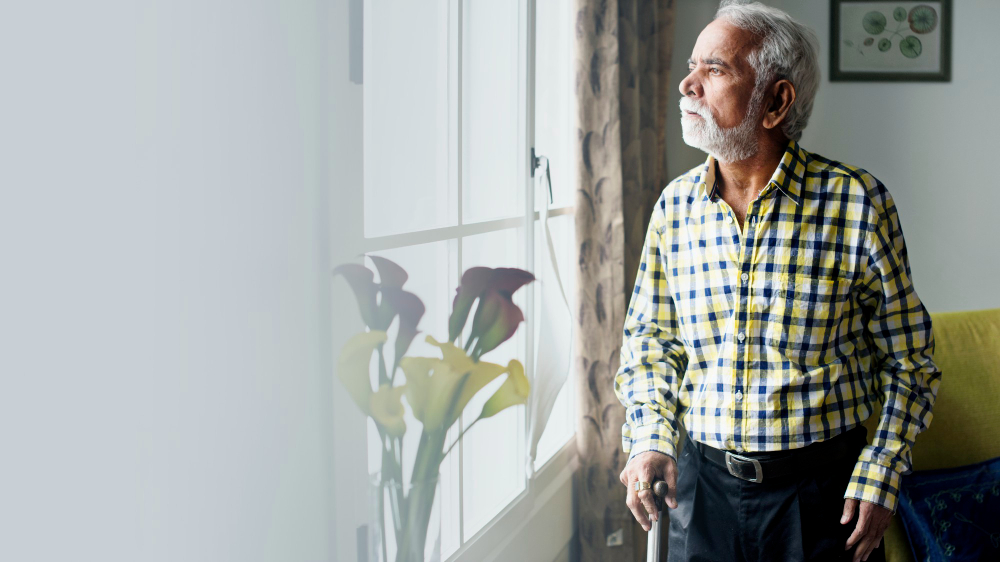
Caring for a senior loved one brings warmth and responsibility. Families do their best to ensure safety and comfort for the seniors they cherish. Yet, behind familiar walls, some face mistreatment that goes unnoticed. Abuse often hides behind silence, and understanding its signs is the first step toward protection and dignity.
Abuse at home can take many forms. It might be physical, emotional, financial, or even through neglect. The challenge lies in recognizing it early, especially when it comes from someone the senior depends on for care. Many seniors hesitate to speak up due to fear, guilt, or confusion. They may worry about losing support or straining relationships. This silence makes awareness essential for every professional caregiver and family member.
Subtle Changes in Behaviour and Mood
Emotional changes are often the earliest indicators. A once cheerful senior may grow withdrawn, anxious, or unusually quiet. They might flinch at sudden movements or seem fearful around specific people. Sometimes they avoid conversations or appear uncomfortable when a caregiver enters the room. These are quiet signals that something is wrong. A gentle conversation or careful observation can reveal more than direct questions ever will. Patience and attention help uncover what the senior is unable or afraid to express.
Unexplained Injuries or Physical Marks
Bruises, cuts, or burn marks should never be ignored. While seniors may bruise easily, repeated injuries or those with unclear explanations raise concern. Sometimes caregivers or family members might give vague or inconsistent answers about how an injury happened. A pattern of such incidents calls for deeper attention. Physical abuse can take many forms, and timely medical examination ensures both safety and evidence if intervention becomes necessary.
Signs of Neglect
Neglect is one of the most common and painful types of mistreatment. It shows in poor hygiene, unchanged clothes, unwashed bedding, dehydration, or weight loss. A neglected senior may appear tired, disoriented, or sad. Homes that once reflected care might now look unkempt or unattended. Even small lapses such as missed medications, irregular meals, or long periods of isolation reflect disregard that needs gentle yet immediate attention.
Financial Irregularities
Financial abuse often goes unnoticed until it causes serious harm. Missing money, sudden withdrawals, or unexplained transactions are red flags. Sometimes new names appear on bank accounts, or important documents like wills or property papers get altered without the senior’s full understanding. Seniors may express confusion about their finances or seem unusually secretive. Caregivers and family members should gently review these matters and offer support without making them feel accused or controlled.
Social Withdrawal and Isolation
Isolation can be both a cause and a consequence of abuse. When a senior is kept away from visitors or family members, it may be intentional. Abusive caregivers often try to limit contact to maintain control. A senior who once enjoyed visits, phone calls, or community gatherings may suddenly stop participating. Regular communication, even through brief visits or calls, helps prevent such isolation and reassures them that they are cared for.
Unusual Relationship Dynamics
Sometimes, the way a senior interacts with a caregiver reveals hidden tension. They may seem overly submissive, apologetic, or nervous. The caregiver might appear overly controlling, speaking on behalf of the senior or preventing them from answering questions. Observing their exchanges during visits can reveal much about the underlying relationship. Respectful caregiving builds comfort, not fear, and any behaviour that suppresses a senior’s voice deserves attention.
Emotional Manipulation
Emotional abuse leaves scars that are invisible but deeply damaging. Seniors may be insulted, ignored, or made to feel like a burden. This constant undermining affects their confidence and health. They might start believing they deserve poor treatment. Subtle signs like low self-esteem, hesitance to ask for help, or frequent apologies can reveal emotional mistreatment. Compassionate reassurance from family members can help them regain trust and speak openly.
What Families and Caregivers Can Do
Awareness must turn into action. Families should maintain open communication with seniors, listen without judgment, and create a sense of security. Regular home visits, surprise check-ins, or simple phone calls can make a big difference. Professional caregivers must receive training on ethics, empathy, and boundary awareness. Psychotherapy & Counselling Care services should promote transparent systems where seniors can express concerns safely.
If any sign of abuse is suspected, it is important to act calmly but firmly. Document observations, seek medical or legal advice, and contact local protection services if necessary. Protecting a senior’s dignity should always come before hesitation or social discomfort.
Abuse often remains hidden in silence, but awareness and compassion can help bring that silence to light. Recognizing the small signs is an act of genuine care. A gentle word, a comforting presence, or simply paying attention can make a big difference. Seniors deserve to spend their later years with respect, safety, and warmth. When families, caregivers, and communities stay mindful and caring, abuse loses the space to exist. The best elder care service in Kolkata follows this belief with dedicated in-home and assisted care, ensuring every senior feels safe, valued, and supported in the comfort of their own home.