
-

033 2461 4008
Call us now
-
(+91) 9830568891
(+91) 8910504191
033 2461 4008
Call us now
(+91) 9830568891
(+91) 8910504191
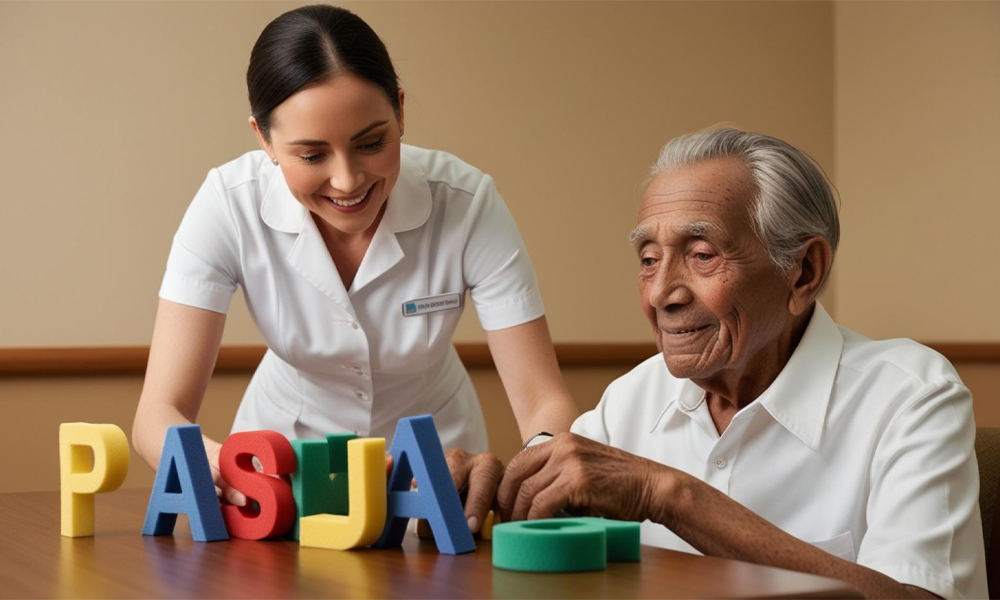
A stroke can change life in an instant, especially for seniors. Beyond physical weakness or mobility issues, many senior loved ones experience difficulties with speaking, understanding words, swallowing, or expressing thoughts clearly. These changes can feel frustrating and isolating, affecting confidence and everyday interactions. Speech therapy plays a vital role in helping seniors reconnect with their voice, rebuild communication skills, and regain a sense of independence during recovery.
Understanding Post-Stroke Speech Challenges
After a stroke, the brain areas responsible for speech and language may be affected. Some seniors struggle to form words, while others find it difficult to understand conversations. Conditions such as aphasia(difficulty in understanding or expressing words and sentences), dysarthria (slurred or unclear speech caused by weak or uncoordinated speech muscles) and apraxia(difficulty planning and coordinating the movements needed for clear speech) of speech are common after stroke. In certain cases, swallowing difficulties also arise, increasing the risk of choking or poor nutrition.
These challenges can make daily life harder. Simple activities like speaking to family, ordering food, or making phone calls may become stressful. Over time, this can lead to withdrawal from social interactions and emotional distress. Early and consistent support through a speech therapy service can help address these concerns with care and patience.
How Speech Therapy Supports Recovery
Speech therapy focuses on restoring communication abilities and improving overall quality of life. A trained speech therapist assesses the senior’s specific difficulties and creates a personalized therapy plan. This may include exercises to strengthen facial and throat muscles, activities to improve pronunciation, and techniques to enhance language comprehension.
Therapy sessions often work on rebuilding word recall, sentence formation, and clarity of speech. For seniors with swallowing challenges, therapists guide safe eating techniques and exercises that support better control. Progress may be gradual, but regular practice helps the brain adapt and form new connections, encouraging steady improvement over time.
Emotional Healing Through Communication
Losing the ability to communicate freely can deeply affect emotional well-being. Seniors may feel embarrassed, anxious, or dependent on others. Speech therapy helps restore confidence by allowing them to express needs, share feelings, and participate in conversations again.
Therapists create a supportive environment where seniors feel heard and understood. Each small improvement, whether saying a word clearly or holding a short conversation, brings motivation and hope. This emotional lift often reflects positively in other areas of recovery, including physical health and social engagement. Importance of Early Intervention
Starting speech therapy soon after a stroke makes a meaningful difference. Early sessions help prevent further decline and encourage faster adaptation. Seniors who begin therapy early often experience better long-term outcomes compared to those who delay support.
Speech Therapy remains beneficial even months after a stroke. The brain retains the ability to relearn and adjust, especially with consistent guidance. With encouragement and structured sessions, seniors can continue making progress at their own pace.
Role of Family in the Recovery Journey
Family support plays a powerful role in post-stroke recovery. Encouraging seniors to speak slowly, listening patiently, and celebrating small milestones builds confidence. Speech therapists often guide families on how to communicate effectively without creating pressure or frustration.
Simple practices like maintaining eye contact, using clear sentences, and giving time to respond can make conversations more comfortable. When families actively participate, seniors feel supported rather than dependent, which positively impacts motivation and self-esteem.
Speech therapy becomes even more effective when combined with comprehensive elder care support. Coordinated care ensures that communication goals align with overall health needs. Reputed elder care services, including the best elder care service in Kolkata, often integrate speech therapy with doctor assistance, physiotherapy, and daily care routines.
This holistic approach allows seniors to receive consistent attention without multiple disruptions. Doctors monitor medical progress, therapists focus on communication recovery, and caregivers assist with daily practice. Together, this creates a balanced environment that supports both physical and emotional healing.
Realistic Progress and Patience
Post-stroke recovery varies from person to person. Some seniors regain speech quickly, while others require longer periods of therapy. Patience remains key throughout the journey. Progress may come in small steps, such as clearer pronunciation or better word recall, but each step holds value.
Speech therapists focus on realistic goals, adjusting therapy plans as improvement continues. Regular feedback and encouragement help seniors stay motivated, reinforcing the belief that progress remains possible at every stage.
Regaining Voice, Dignity, and Connection
Speech therapy helps seniors rebuild more than words. It restores dignity, connection, and confidence. Being able to communicate needs, share stories, and engage in conversations brings comfort and emotional stability. Over time, improved communication strengthens relationships and enhances daily living.
With professional speech therapy service and supportive elder care, seniors recovering from a stroke can rediscover their voice and reconnect with the world around them. This journey, guided by care, patience, and understanding, helps seniors move forward with renewed confidence and hope.