
-

033 2461 4008
Call us now
-
(+91) 9830568891
(+91) 8910504191
033 2461 4008
Call us now
(+91) 9830568891
(+91) 8910504191
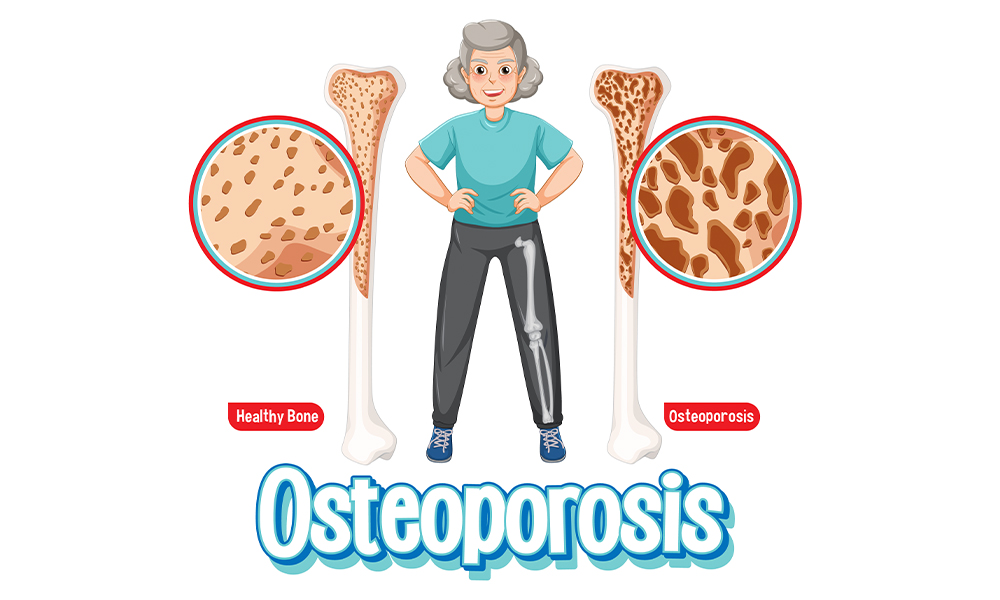
As we age, the bones that once supported us through life’s journey often begin to weaken. Osteoporosis, a condition marked by decreased bone density and quality, becomes a silent but serious health concern for many seniors. Although it may not present with obvious symptoms initially, osteoporosis can significantly affect mobility and increase care needs for older adults.
Understanding Osteoporosis
Osteoporosis is often known as the "silent disease" because its symptoms may not manifest until a fracture occurs. With age, the bones lose essential minerals like calcium, becoming brittle and more prone to breaking. The hips, spine, and wrists are particularly vulnerable, and a single fracture in these areas can lead to long-term mobility challenges.
In senior loved ones, the condition is often compounded by other age-related health issues, such as arthritis or reduced muscle mass. Together, they create a vicious cycle, where reduced mobility leads to weakened bones, further increasing the risk of fractures.
How Osteoporosis Affects Mobility
The ability to move freely is fundamental to maintaining independence, and osteoporosis directly threatens this. For many seniors, the condition manifests in ways that gradually erode their mobility:
Fractures and Recovery Challenges: A minor fall can lead to serious fractures in seniors with osteoporosis. Hip fractures, in particular, are notorious for long recovery periods, often requiring surgery and extended physical therapy.
Postural Changes: Spinal fractures can cause kyphosis, a forward-leaning posture. This not only affects balance but can also lead to chronic back pain, making walking or standing for extended periods difficult.
Fear of Falling: The psychological impact of osteoporosis is often overlooked. After a fracture, seniors may develop a fear of falling, leading to reduced physical activity. Ironically, this inactivity further weakens their bones and muscles.
Loss of Strength and Balance: Osteoporosis doesn’t just weaken bones; it also reduces the body’s overall resilience. Senior loved ones may struggle with basic movements, such as getting up from a chair or climbing stairs, increasing their dependency on others.
Implications for Elder Care
Osteoporosis in seniors posed challenges that necessitated a multi-faceted approach to senior care. It’s not just about treating the condition but also about creating an environment where seniors can thrive despite its limitations. Here are some critical considerations:
Preventive Measures: While osteoporosis cannot always be fully prevented, early detection and proactive measures can reduce its impact. Regular bone density tests, a calcium-rich diet, and vitamin D supplements play a crucial role in maintaining bone health. Weight-bearing exercises, even something as simple as walking, can help strengthen bones.
Fall-Proofing the Living Space: One of the most effective ways to protect seniors with osteoporosis is to minimize fall risks. This includes installing grab bars in bathrooms, ensuring proper lighting, and removing trip hazards like loose rugs.
Assistive Devices: Mobility aids, such as walkers or canes, can provide stability and reduce the risk of falls. Additionally, ergonomic furniture and supportive shoes can make daily activities more manageable.
Physiotherapy: After a fracture, physical therapy plays a crucial role in recovery. Personalized exercises aid in rebuilding strength and improving mobility. The best elder care service in Kolkata also offers expert physiotherapy services to support a smoother and faster recovery process.
Emotional Support: Living with osteoporosis can be emotionally taxing. Seniors may feel frustrated by their limitations or anxious about future fractures. Caregivers play a vital role in offering encouragement and fostering a sense of normalcy.
Encouraging Mobility Despite Challenges
Maintaining mobility is crucial for overall well-being, even for seniors with osteoporosis. Encouraging safe, regular movement can improve bone density, enhance cardiovascular health, and boost mood. Here are some strategies:
Low-Impact Exercises: Activities like swimming, or yoga can improve flexibility, strength, and balance without putting undue stress on fragile bones.
Daily Walks: A simple walk in a safe environment can work wonders. Walking not only strengthens bones but also provides a chance for social interaction and mental stimulation.
Strength Training: Light resistance exercises can help rebuild muscle strength and support bone health. These should always be performed under professional guidance to avoid injury.
The Role of Caregivers
Caregivers are indispensable in managing osteoporosis-related challenges. Whether they are family members or professionals, their role extends beyond physical assistance. Caregivers must:
Stay Educated: Understanding the aspects of osteoporosis enables professional caregivers to provide better support. This includes recognizing early warning signs of fractures or complications.
Encourage Independence: While it’s essential to assist seniors, fostering independence wherever possible helps boost their confidence and quality of life.
Monitor Nutrition and Medication: A well-balanced diet, combined with prescribed medications, can significantly improve bone health. Caregivers should ensure adherence to these routines.
Be Patient and Compassionate: The journey with osteoporosis can be challenging. Patience and empathy go a long way in making seniors feel valued and cared for.
Osteoporosis is a journey that challenges both senior loved ones and their caregivers. But with teamwork and proactive care, it’s possible to face this challenge head-on. Together, we can help protect mobility and preserve the quality of life, making sure our senior loved ones continue to lead a healthy and happy life in their golden years.