
-

033 2461 4008
Call us now
-
(+91) 9830568891
(+91) 8910504191
033 2461 4008
Call us now
(+91) 9830568891
(+91) 8910504191
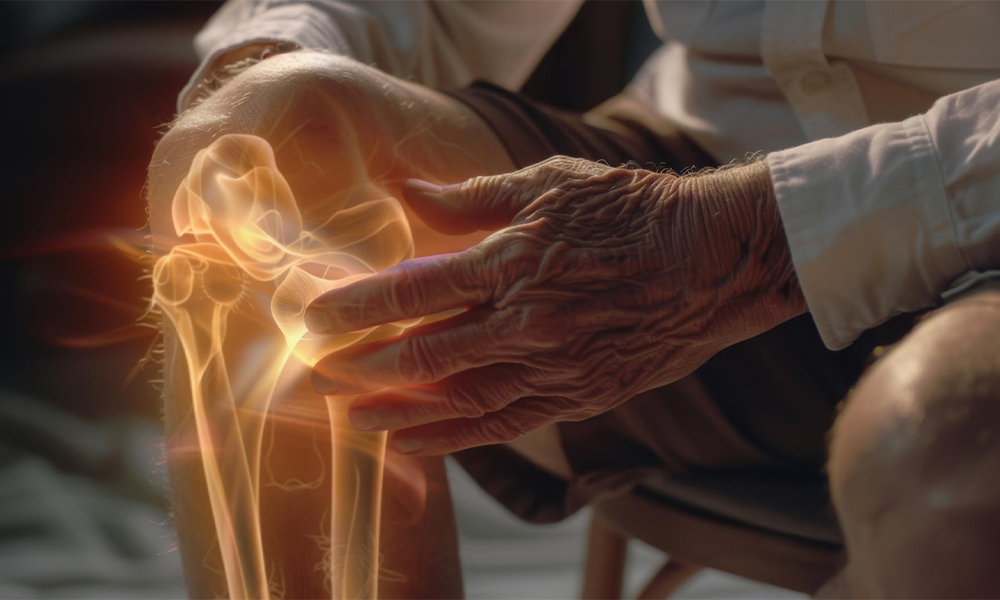
As we grow older, maintaining strong bones and flexible joints becomes increasingly important. Aging brings natural changes to the musculoskeletal system, bones can lose density, joints may stiffen, and mobility can decrease. These changes, if left unaddressed, can lead to discomfort, a higher risk of falls, and limitations in daily activities. For senior loved ones, focusing on bone and joint health is essential for independence, comfort, and overall well-being.
Understanding Bone and Joint Health
Bones and joints work together to support the body, allow movement, and protect vital organs. Over time, bones can become thinner and weaker, while joints may develop stiffness or inflammation. Conditions such as osteoporosis, arthritis, and general wear and tear are common among seniors. Awareness and proactive care can significantly slow these changes and improve quality of life.
Healthy bones require minerals like calcium and phosphorus, while joints rely on cartilage, ligaments, and synovial fluid to function smoothly. Maintaining both requires a combination of proper nutrition, physical activity, and lifestyle habits tailored to seniors.
Nutrition for Strong Bones and Flexible Joints
A well-balanced diet plays a central role in keeping bones and joints healthy. Calcium-rich foods like milk, yogurt, cheese, spinach, and fortified plant-based options help maintain bone density. Vitamin D is equally important, as it aids calcium absorption. Seniors can get vitamin D through safe sun exposure, fortified foods, and supplements if recommended by a healthcare professional.
Protein supports muscle strength, which protects bones and joints. Including lean meats, eggs, legumes, and dairy in daily meals helps maintain muscle mass. Omega-3 fatty acids, found in fatty fish, walnuts, and flaxseeds, can reduce joint inflammation and support mobility. Encouraging senior loved ones to eat a variety of colorful fruits and vegetables adds antioxidants, which may help reduce joint discomfort and promote overall health.
Physical Activity to Support Mobility
Staying active strengthens muscles, supports bone density, and keeps joints flexible. Low-impact exercises such as walking, swimming, or cycling are ideal for seniors, as they build strength without putting excessive stress on joints. Stretching and range-of-motion exercises help maintain flexibility, improve posture, and reduce stiffness.
Balance and stability exercises are particularly valuable, as they lower the risk of falls that can cause fractures. Tai chi, yoga, and simple standing exercises can improve coordination and body awareness. Professional caregivers or family members can guide seniors through safe, consistent exercise routines, making physical activity a part of daily life.
Maintaining a Healthy Weight
Excess body weight adds strain to weight-bearing joints like hips, knees, and ankles. For seniors, carrying even a few extra kilograms can worsen joint discomfort and increase the risk of osteoarthritis. Encouraging a balanced diet, portion control, and regular exercise helps seniors maintain a healthy weight, relieving unnecessary pressure on bones and joints.
Supporting Joint Comfort
Joint discomfort can be managed through simple practices. Gentle stretching before activity prepares joints for movement, while warm compresses can ease stiffness and improve blood flow. Wearing supportive footwear reduces pressure on knees and hips, particularly when walking or standing for extended periods.
Professional caregivers can assist by ensuring that seniors perform exercises safely, use mobility aids if needed, and follow daily routines that protect joint health. Even small adjustments, like encouraging frequent movement or helping with posture, can make a significant difference in comfort and mobility.
Regular Health Check-Ups
Routine medical check-ups allow early detection of bone and joint conditions. Bone density tests, blood work for vitamin levels, and screenings for arthritis or osteoporosis help healthcare providers recommend personalized interventions. Seniors should also monitor pain, swelling, or reduced range of motion, and communicate changes promptly to their caregivers or doctors.
Lifestyle Habits That Protect Bones and Joints
Several daily habits support bone and joint health. Avoiding smoking and excessive alcohol consumption protects bone density, as both habits can weaken bones over time. Staying hydrated ensures that joint cartilage remains lubricated, reducing stiffness. Encouraging seniors to take short movement breaks throughout the day can prevent prolonged stiffness from sitting or resting too long.
Creating a safe home environment further supports bone and joint health. Clear walkways, proper lighting, and supportive furniture reduce the risk of falls and joint injuries. Professional caregivers can help implement these safety measures and provide supervision during physical activity, giving seniors the confidence to move freely.
The Emotional Side of Bone and Joint Health
Physical discomfort from weak bones or stiff joints can affect mood and independence. Seniors may become hesitant to move, leading to social isolation or reduced engagement in daily life. By combining proper nutrition, regular exercise, and attentive care, families and professional caregivers help seniors maintain mobility, confidence, and an active lifestyle. Encouragement and gentle guidance go a long way in promoting long-term well-being.
Healthy bones and joints are essential for seniors to live comfortably, remain independent, and enjoy daily activities. Paying attention to nutrition, regular movement, weight balance, joint care, and everyday safety can help reduce many age-related concerns and improve overall well-being. Along with professional caregivers, physiotherapy services at home play a valuable role in supporting mobility through guided exercises, posture care, and pain management, all within a familiar environment.
By taking proactive steps and creating a supportive routine, seniors can maintain movement, ease discomfort, and continue enjoying life with confidence. Guidance from the best elder care service in Kolkata supports strong bones and flexible joints, helping seniors stay independent, feel secure, and remain connected to the world around them every day.